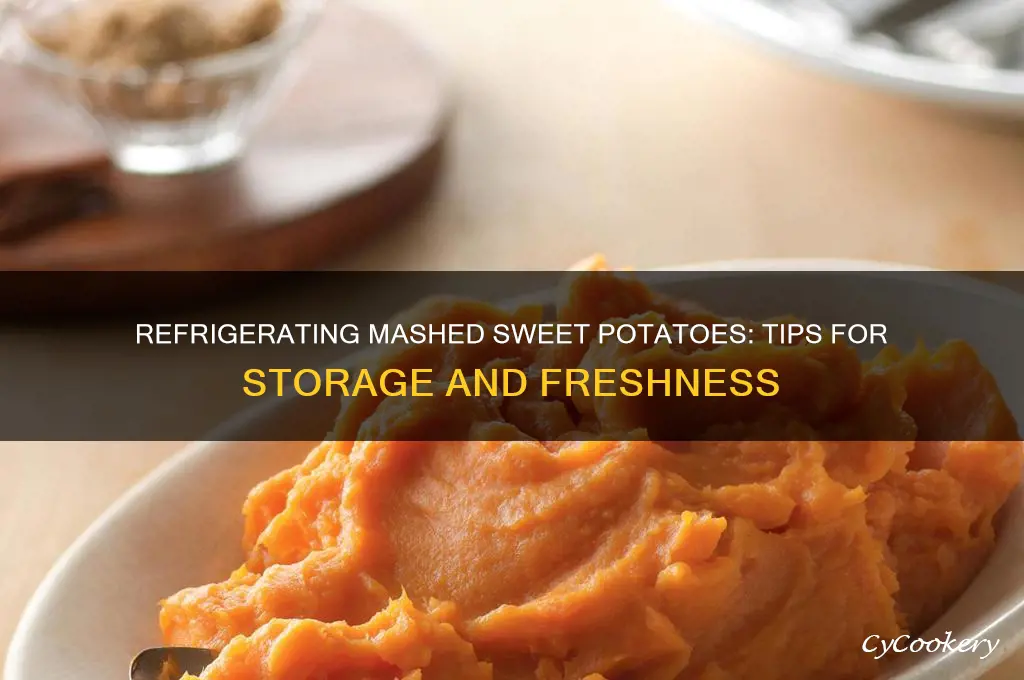
Mastering Mashed Sweet Potatoes: Your Ultimate Guide to Storage, Reheating, and Freezing
Mashed sweet potatoes are a culinary chameleon, gracing our tables from festive holiday feasts to comforting weeknight dinners. Their subtly sweet, incredibly smooth, and wonderfully creamy texture makes them an instant family favorite. While the joy of freshly made
easy 4-ingredient mashed sweet potatoes is undeniable, sometimes you have leftovers, or you want to get ahead with meal prep. This comprehensive guide will transform you into a mashed sweet potato preservation pro, ensuring every spoonful is as delightful as the first, whether enjoyed immediately or weeks later.
Crafting the Perfect Mashed Sweet Potatoes: A Quick Overview
Before diving into storage, let’s quickly revisit the foundation of truly exceptional mashed sweet potatoes. The magic often lies in simplicity: just four core ingredients typically bring this dish to life. You'll need firm, unblemished sweet potatoes (Beauregard or Jewel varieties are excellent for mashing), warm milk (whole or 2% for richness, or your preferred alternative, ensuring it's at room temperature for smooth incorporation), a generous stick of butter for that luxurious mouthfeel, and a touch of maple syrup for extra sweetness, though brown sugar or honey can also be used.
The process is straightforward: boil your sweet potatoes until fork-tender, then mash them with the warm milk, butter, and sweetener until velvety smooth. A food mill or ricer can achieve an unparalleled, lump-free texture, far superior to a potato masher alone, and helps avoid the dreaded gluey consistency that can result from over-mashing. This
velvety smooth mashed sweet potatoes recipe can typically be made in just 40 minutes, making it an accessible dish even on busy evenings. While they shine alongside roasted meats and other seasonal sides like Brussels sprouts, their versatility means they pair beautifully with countless entrées, from simple roasted chicken to grilled fish.
Storing Your Mashed Sweet Potatoes for Optimal Freshness
Proper storage is the first crucial step to extending the life and flavor of your delicious mashed sweet potatoes. Done correctly, you can enjoy them for several days without significant loss of quality.
The Refrigerator: Your Short-Term Solution
Once your mashed sweet potatoes have cooled down sufficiently – ideally to room temperature, which typically takes about 30-60 minutes – they are ready for refrigeration. *Never put hot food directly into the fridge*, as this can raise the internal temperature of the refrigerator, potentially compromising the safety of other foods and creating condensation that can make your mashed potatoes watery.
*
Choose the Right Container: An *airtight container* is paramount. This prevents the mashed sweet potatoes from absorbing any unwanted odors from other foods in your fridge, and more importantly, it minimizes exposure to air. Air exposure can lead to oxidation, which might cause discoloration and a drying out of the potatoes. Glass containers with snap-on lids or high-quality plastic containers work wonderfully.
*
Portioning for Convenience: If you anticipate eating your leftovers in multiple sittings, consider dividing the mashed sweet potatoes into smaller, individual-sized airtight containers. This way, you only take out and reheat what you need, preserving the quality of the rest.
*
Shelf Life: Stored correctly in an airtight container, mashed sweet potatoes will remain fresh and delicious in the refrigerator for up to *4 days*. Always use your best judgment; if they develop an unusual odor, color, or texture, it's best to discard them.
Food safety is key: ensure your mashed sweet potatoes are placed in the refrigerator within two hours of cooking. This minimizes the time they spend in the "danger zone" (between 40°F and 140°F or 4°C and 60°C), where harmful bacteria can multiply rapidly.
Reheating Mashed Sweet Potatoes: Bringing Back the Creaminess
The true test of leftover mashed sweet potatoes lies in their reheating potential. Often, they can become a bit drier or thicker after refrigeration. The good news is that with a few simple tricks, you can restore them to their former creamy glory. The key is gentle, even heating and often, a little extra moisture.
Method 1: The Microwave (For Individual Portions)
The microwave is your fastest friend for smaller servings.
*
Process: Transfer your desired portion of mashed sweet potatoes to a microwave-safe dish. Add a splash of milk (or cream, or even a small pat of butter) on top to help rehydrate. Cover the dish loosely with a lid or microwave-safe plastic wrap, leaving a small vent.
*
Heat in Intervals: Reheat in short bursts, typically 30 to 60 seconds at a time, stirring thoroughly between each interval. This ensures even heating and prevents hot spots. Continue until the potatoes are heated through to your desired temperature.
*
Moisture Check: If they still seem thick or dry after heating, stir in another splash of warm milk, cream, or melted butter until the creamy texture is restored. Season to taste, as flavors can mellow in the fridge.
Method 2: The Oven (For Larger Batches)
For a bigger crowd or when you prefer a more hands-off approach, the oven is an excellent choice.
*
Preparation: Preheat your oven to 350°F (175°C). Transfer the mashed sweet potatoes to an oven-safe dish. Again, a generous splash of milk or a few pats of butter spread across the top will aid in rehydration and prevent drying.
*
Cover and Bake: Cover the dish tightly with aluminum foil. This traps steam, keeping the potatoes moist.
*
Baking Time: Bake for 20 to 30 minutes, or until thoroughly heated through. The exact time will depend on the quantity and initial temperature of the potatoes. Stir gently halfway through cooking if possible.
*
Finishing Touch: Once heated, remove from the oven, stir well, and add more milk, cream, or butter if needed to achieve that perfect creamy consistency.
Method 3: The Stovetop (For Medium Batches with Control)
The stovetop offers excellent control over the reheating process, allowing you to gradually bring the mashed sweet potatoes back to life.
*
Setup: Place the mashed sweet potatoes in a heavy-bottomed saucepan or pot over low heat.
*
Add Liquid: Add a generous splash of milk, cream, or even chicken or vegetable broth, along with a pat of butter.
*
Gentle Heat and Stirring: Heat gently, stirring frequently and consistently, to prevent sticking and ensure even reheating. The low heat prevents scorching and allows the added liquid to gradually incorporate, restoring moisture and creaminess. Continue until hot.
*
Adjust and Serve: Taste and adjust seasonings. Add more liquid or butter as needed to reach the desired texture.
Regardless of the method, remember that the goal is to gently reintroduce moisture and warmth without overcooking or drying them out further.
Freezing Mashed Sweet Potatoes: A Gift to Your Future Self
Freezing mashed sweet potatoes is a fantastic strategy for meal prepping, reducing food waste, or getting a head start on holiday cooking. When properly frozen, you can enjoy this delightful side dish for up to two months, sometimes even longer with proper technique.
The Freezing Process: Step-by-Step
1.
Cool Completely: This is a non-negotiable step. Allow your mashed sweet potatoes to cool down to room temperature entirely before freezing. Freezing warm food can lead to ice crystal formation, which damages the potato's cell structure, resulting in a watery, less appealing texture upon thawing.
2.
Portion for Convenience: Think about how you’ll want to use them later. Freezing mashed sweet potatoes in individual serving sizes or meal-sized portions makes thawing and reheating much more efficient.
3.
Choose Your Container Wisely:
*
Zip-Top Freezer Bags: These are excellent for mashed sweet potatoes. Spoon the desired portion into the bag, press out as much air as possible (air is the enemy of frozen food, causing freezer burn), and seal tightly. Lay the bags flat on a baking sheet to freeze. This saves space and allows for quicker freezing.
*
Freezer-Safe Containers: Use sturdy plastic or glass containers designed for freezing. Fill the container, leaving about half an inch of headspace at the top to allow for expansion. Press a piece of plastic wrap directly onto the surface of the mashed potatoes before sealing the lid – this creates an extra barrier against freezer burn.
4.
Add Extra Protection (Optional but Recommended): For an extra layer of defense against freezer burn and to extend storage time, wrap your zip-top bags or containers in at least one layer of aluminum foil.
5.
Label Everything: Always label your containers or bags with the contents (e.g., "Mashed Sweet Potatoes") and the date they were frozen. This helps you keep track of their freshness.
6.
Freeze Flat: If using bags, place them flat in your freezer until solid. This makes them easier to stack and store later.
Thawing and Reheating Frozen Mashed Sweet Potatoes
*
Thawing: The safest and most recommended method is to *thaw the frozen mashed sweet potatoes in the refrigerator overnight*. This slow thawing process helps maintain texture. Avoid thawing at room temperature to prevent bacterial growth. For quicker thawing, you can immerse the sealed bag or container in cold water, changing the water every 30 minutes until thawed.
*
Reheating: Once thawed, mashed sweet potatoes can be reheated using any of the methods described above (microwave, oven, stovetop). Expect them to be a bit looser or more watery after thawing, so be prepared to drain any excess liquid if necessary and definitely stir in extra milk, cream, or butter to restore their creamy consistency. Season again to taste.
Troubleshooting & Advanced Tips for Mashed Sweet Potatoes
Even with the best intentions, sometimes your mashed sweet potatoes need a little extra TLC.
*
Too Thick or Dry? This is the most common issue, especially with leftovers. Don't despair! Slowly stir in warm milk, cream, vegetable broth, or even a dollop of sour cream or cream cheese until you reach your desired consistency. A knob of butter will also do wonders for flavor and texture.
*
A Little Lumpy? If you prefer a silken texture and skipped the ricer initially, it's tough to fix entirely once mashed. However, a quick whip with a hand mixer (be careful not to overmix, which can make them gluey) might smooth out some smaller lumps. For future batches, invest in a potato ricer – it’s a game-changer for creamy mashed anything.
*
Need a Flavor Boost? Reheating can sometimes mute flavors. Don't hesitate to re-season with a pinch of salt and black pepper. For an extra kick, consider adding a dash of cinnamon, nutmeg, or even a tiny pinch of cayenne pepper for warmth. Fresh herbs like finely chopped chives or sage can also elevate their profile.
*
Beyond the Side Dish: Leftover mashed sweet potatoes are incredibly versatile! Use them as a topping for shepherd's pie, incorporate them into a savory sweet potato casserole, or even mix them into pancake batter for a unique breakfast treat. They can also form the base of delicious savory bowls with roasted vegetables and a protein.
Conclusion
Mashed sweet potatoes are a beloved staple, cherished for their comforting warmth and sweet, earthy flavor. By mastering the art of storing, reheating, and freezing, you can ensure that this delightful dish is always within reach. Whether you’re planning ahead for a holiday feast, prepping healthy weeknight meals, or simply enjoying the last spoonfuls of a delicious dinner, these techniques will help you preserve their deliciousness and creamy texture. So, go ahead, make a big batch, and enjoy your mashed sweet potatoes to the fullest, knowing they’ll be just as good on day one as they are on day forty!